 Silk St, Barbican, London EC2Y 8DS, UK
 +1-212-555-6767



Summary
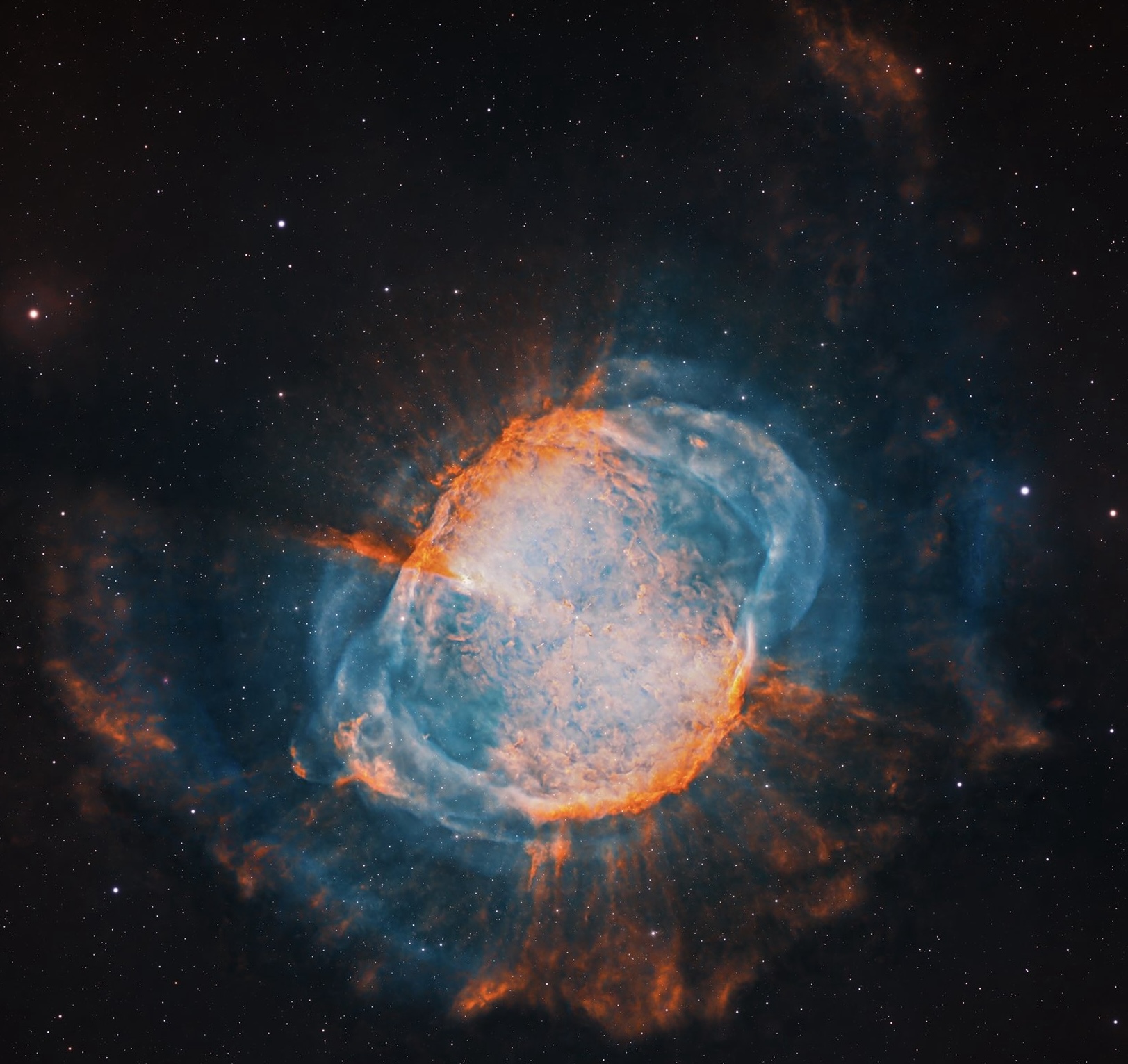
Recent observations of a stunning nebula have provided astronomers with insights into the eventual fate of our Sun. This breathtaking light show is projected to last an astonishing 25,000 years, offering a glimpse into the dramatic transformations that await our solar system.
Key Details
The nebula, a vibrant spectacle of cosmic colors, serves as a visual representation of the life cycle of stars similar to our Sun. As our star ages, it will undergo significant changes, ultimately leading to its transformation into a nebula much like the one currently being studied. This phenomenon is not only a captivating sight but also a crucial piece of the astronomical puzzle regarding stellar evolution.
Why It Matters
Understanding the lifecycle of our Sun is essential for comprehending the broader dynamics of the universe. As we uncover the processes that dictate stellar evolution, we can better appreciate the complex interactions that govern our galaxy. Furthermore, this knowledge helps scientists predict the long-term effects on Earth’s environment as our Sun progresses through its life stages.
What Could Happen Next
As research continues, astronomers anticipate new discoveries that could refine our understanding of stellar life cycles. Future studies may reveal more about the specific changes our Sun will undergo and how they will impact the solar system. Additionally, advancements in technology may provide even clearer images of nebulae, enhancing our appreciation of these cosmic phenomena.